Airbnb and Short-Term Rentals in Punta Cana as an Investment: Rules, Tax and Real Numbers
What Punta Cana short-term rentals actually earn, the registry the Ministry of Tourism is proposing, and the tax questions to settle before you buy to let.
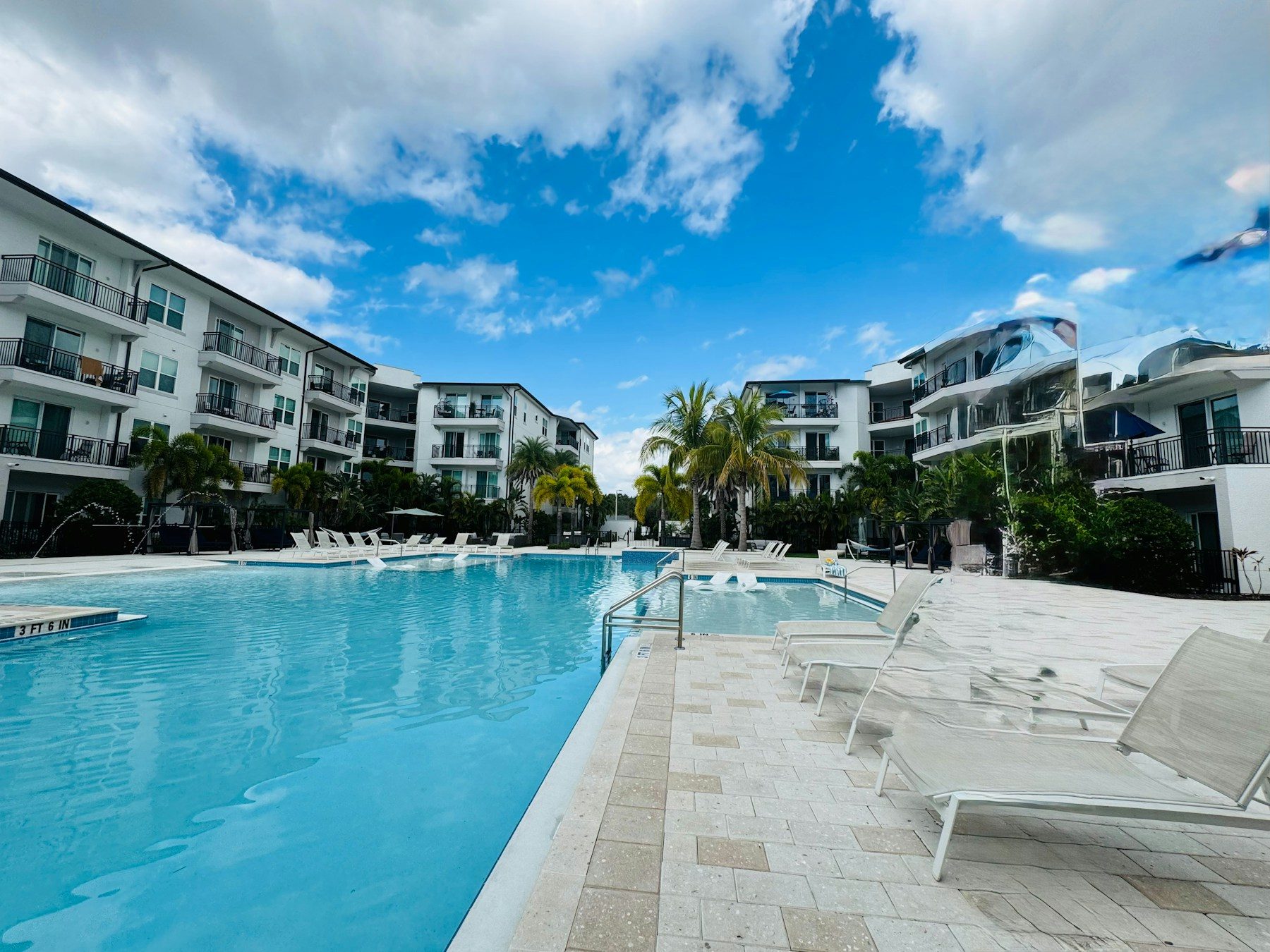
Short-term rentals in Punta Cana earn less than listing-site headlines suggest. AirROI's tracker, covering November 2025 to October 2026 across 2,630 active listings, puts average occupancy at 35.5%, with an average daily rate of about DOP 9,676 (roughly US$161 at the DOP 60 per dollar the tracker uses) and average annual revenue of about DOP 800,512 per listing, around US$13,300. Other trackers give different results: occupancy estimates run from roughly 23% to 49% depending on the source and method.
The rules are also changing. In mid-2026 the Ministry of Tourism put out draft resolutions for a national registry of tourist accommodations. They were not yet in force when we checked, so verify the final text.
What the data says
- AirROI (Nov 2025 to Oct 2026): 2,630 active listings, 35.5% occupancy, ADR DOP 9,676, annual revenue about DOP 800,512 per listing. March is the best month (about DOP 146,000 per listing) and September the weakest (about DOP 81,100).
- Airbtics (Sep 2025 to Sep 2026, "Punta Cana - Caribers" area): median occupancy 47% and median daily rate DOP 7,236, across 5,784 listings.
- Why they differ: different areas, date ranges, and median versus average. Treat any single figure as a range and check the same time window in two sources.
A listing earning the average will not pay for a luxury property. These are averages across all stock, including small apartments; a villa near the beach in Cap Cana will sit in a different bracket. We have no verified average for Cap Cana villas.
The proposed rules
According to a law firm summary dated 3 August 2026, the Ministry of Tourism submitted two draft resolutions for consultation. The consultation ran to 22 July 2026, and the summary says "for the time being, these measures are not in effect". If adopted:
- Registry: a National Registry of Tourist Accommodations (Renatur). Each property would be registered individually, with a certificate to display.
- Documents: owner and administrator IDs, authorization to manage, a civil liability insurance policy.
- Condominiums: proof that the condominium administration does not object. If short-term use is prohibited, the property cannot be registered.
- Platforms: Airbnb, Booking and similar would have to verify registration; unregistered properties would no longer be advertised.
- Deadline: six months for providers to comply.
- Safety and occupancy: rules on safety, hygiene, occupancy density and consumer protection, with inspection.
The Minister of Tourism, David Collado, said the aim is safety and organisation, not new taxes on hosts. Airbnb said it supports the registry.
Tax
Administrators must be current with their obligations before the tax authority, DGII. We could not verify current rates from an official source. One property-letting guide describes a 27% withholding for non-resident rental income and ITBIS registration for short-term stays; another source says 25%. Because sources disagree, we give no rate: ask a Dominican accountant, and confirm with DGII.
Before you buy to let
- Read the condominium rules first. The proposed registry would block properties where the condo bans short stays.
- Budget insurance and management fees; we have no verified fee level.
- Plan for the low season, September in the AirROI data.
- Keep numbers conservative: use 35% occupancy as a base case, not 60%.
Insider tip
Run your numbers at the weakest month, not the strongest. If the property pays its costs in September, March is profit; if it needs March to survive, you are speculating.
FAQ
Is Airbnb legal in the Dominican Republic?
Short-term rentals operate, and the Ministry of Tourism is proposing a mandatory national registry. The proposal was not in force as of our latest source, dated August 2026.
How much can you earn from an Airbnb in Punta Cana?
AirROI reports about DOP 800,512 per active listing per year, roughly US$13,300, at 35.5% occupancy. Results vary by property and area.
What is the occupancy rate for Punta Cana rentals?
Between about 23% and 49% depending on the tracker; AirROI says 35.5% for November 2025 to October 2026.
Do I pay tax on Airbnb income in the Dominican Republic?
Rental income must be declared to DGII, and sources describe ITBIS registration for short stays. Rates differ by source, so confirm with an accountant.
Do I need permission from my condo to rent short-term?
Under the proposed registry, yes: written proof that the condominium does not object. Check your by-laws today.
Looking for a home in Punta Cana?
Buying or renting in Punta Cana, Cap Cana, Bávaro or Downtown? Tell us budget, area and timing: we put you in touch with an agency that fits, at no cost to you.
More in Real Estate
The Main Residential Communities in Punta Cana: What Each One Is and Who It Suits
6 places
Where to Live in Punta Cana: A Neighborhood Guide for Expats
7 places
Buying Off-Plan in Punta Cana: Risks, Protections and How to Vet a Developer