Buying Property in Punta Cana as a Foreigner: Costs, Taxes and Due Diligence
What a foreign buyer pays on top of the price, which taxes apply, how to check the title, and what to ask a lawyer before you sign anything in Punta Cana.
Can a foreigner buy property in Punta Cana? Yes. Foreigners buy here every week and the market is open to non-residents. On top of the price, expect a 3 percent transfer tax and total closing costs that sources put at roughly 4 to 9 percent, then an annual property tax (IPI) of 1 percent above a threshold. The risk is not access; it is buying without understanding the costs and without checking the paper trail.
This article covers the numbers that could be verified and tells you plainly where you need a lawyer.
The market in one number
Global Property Guide put the average primary-market apartment price in Punta Cana at about US$2,643 per square meter in the third quarter of 2026, up 13.7 percent year on year. That average skews toward new, higher-end stock. Other market guides cite lower medians of about US$2,300 to US$2,700 per square meter. Cap Cana sits far above those averages; Downtown Punta Cana, Vista Cana and Verón sit below. Treat all of these as asking-price indicators. See [neighborhoods](best-neighborhoods-for-expats-punta-cana).
What you pay on top of the price
- Transfer tax: 3 percent, paid to the tax authority (DGII). Several 2026 guides say it is calculated on the DGII appraised value, which may differ from the price you negotiated, and that it applies equally to Dominicans and foreigners.
- Legal and notary costs: one broker guide gives about 1 to 1.5 percent for legal fees and about 0.5 percent for the notary.
- Total closing costs: sources disagree. Estimates range from roughly 4 to 9 percent of the purchase price across guides. Budget at the higher end until your lawyer gives you a written figure.
- Bank transfer tax: a small tax of about 0.15 percent may apply depending on how you pay.
The annual tax: IPI
The Dominican property wealth tax (IPI) is 1 percent a year on the part of your total real-estate holdings above an exempt threshold. Secondary sources give the 2026 threshold as RD$10,695,494, adjusted annually for inflation (RD$10,190,833 in 2025). It applies to your combined holdings, not to each property. We could not confirm the figure in an official DGII notice, so check the current DGII guide. Trusts generally have no general exemption.
Due diligence: what you actually check
Title and registry checks are mandatory in any serious purchase. In practice that means your own lawyer, independent of the seller or developer, confirms who owns the property, whether there are liens or mortgages, and that what you are buying matches what is registered. Ask the lawyer to list in writing which certificates and registry searches were obtained and when. For off-plan purchases, also check the developer's track record, what the contract says about delivery delays and what happens to your deposits if they slip.
Title insurance is not built into every transaction. Ask about it.
CONFOTUR
Some projects are classified under the tourism incentive law and may carry tax exemptions for buyers. Eligibility is project-specific, and exemptions may not pass to a later buyer. See our [CONFOTUR explainer](confotur-explained).
Residency link
Real-estate investment at or above US$200,000 can open a residency route (Rio Times, Sept 2026). See [residency step by step](dominican-residency-step-by-step).
FAQ
Can non-residents buy property in Punta Cana?
Yes. The market is open to non-residents, and the 3 percent transfer tax applies equally to Dominicans and foreigners, according to several 2026 guides.
How much are closing costs?
Sources disagree, with estimates from roughly 4 to 9 percent of the purchase price. Budget at the higher end until your lawyer gives you a written figure.
What is the annual property tax?
The IPI is 1 percent a year on the part of your combined real-estate holdings above an exempt threshold, given by secondary sources as RD$10,695,494 for 2026. Verify the figure with DGII.
Can buying a property give me residency?
A real-estate investment of at least US$200,000 can open an investor residency route, according to a September 2026 Rio Times overview. See the [residency guide](dominican-residency-step-by-step).
Do I need my own lawyer?
Yes. Use a Dominican real-estate lawyer independent of the seller or developer to check ownership, liens and the registry, and never pay a deposit before they have seen the seller's documents.
Insider tip
Never pay a deposit before your lawyer has seen the seller's documents. The cost of one extra week of checking is a rounding error next to the cost of buying a property with a problem.
Looking for a home in Punta Cana?
Buying or renting in Punta Cana, Cap Cana, Bávaro or Downtown? Tell us budget, area and timing: we put you in touch with an agency that fits, at no cost to you.
More in Real Estate
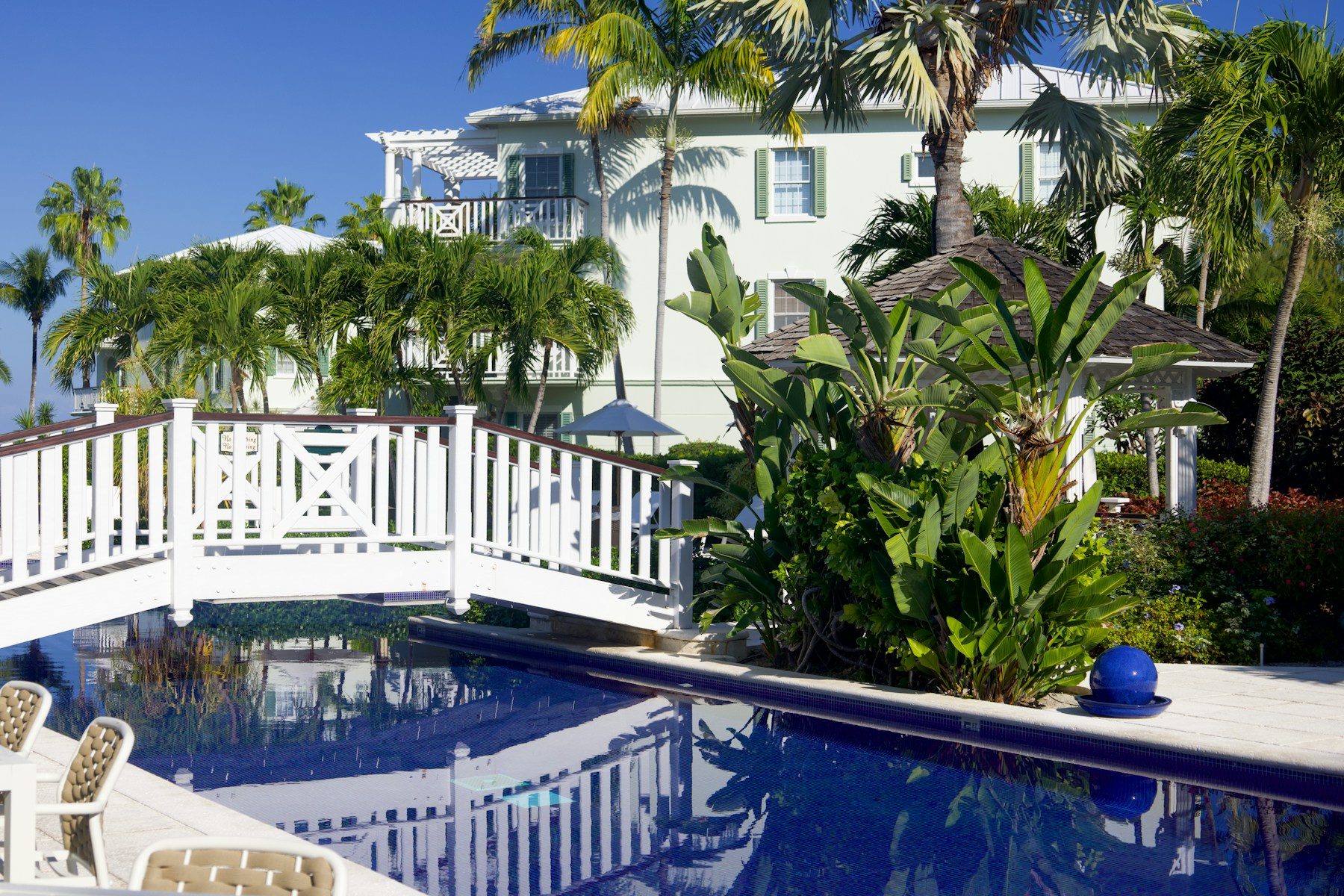
The Main Residential Communities in Punta Cana: What Each One Is and Who It Suits
6 places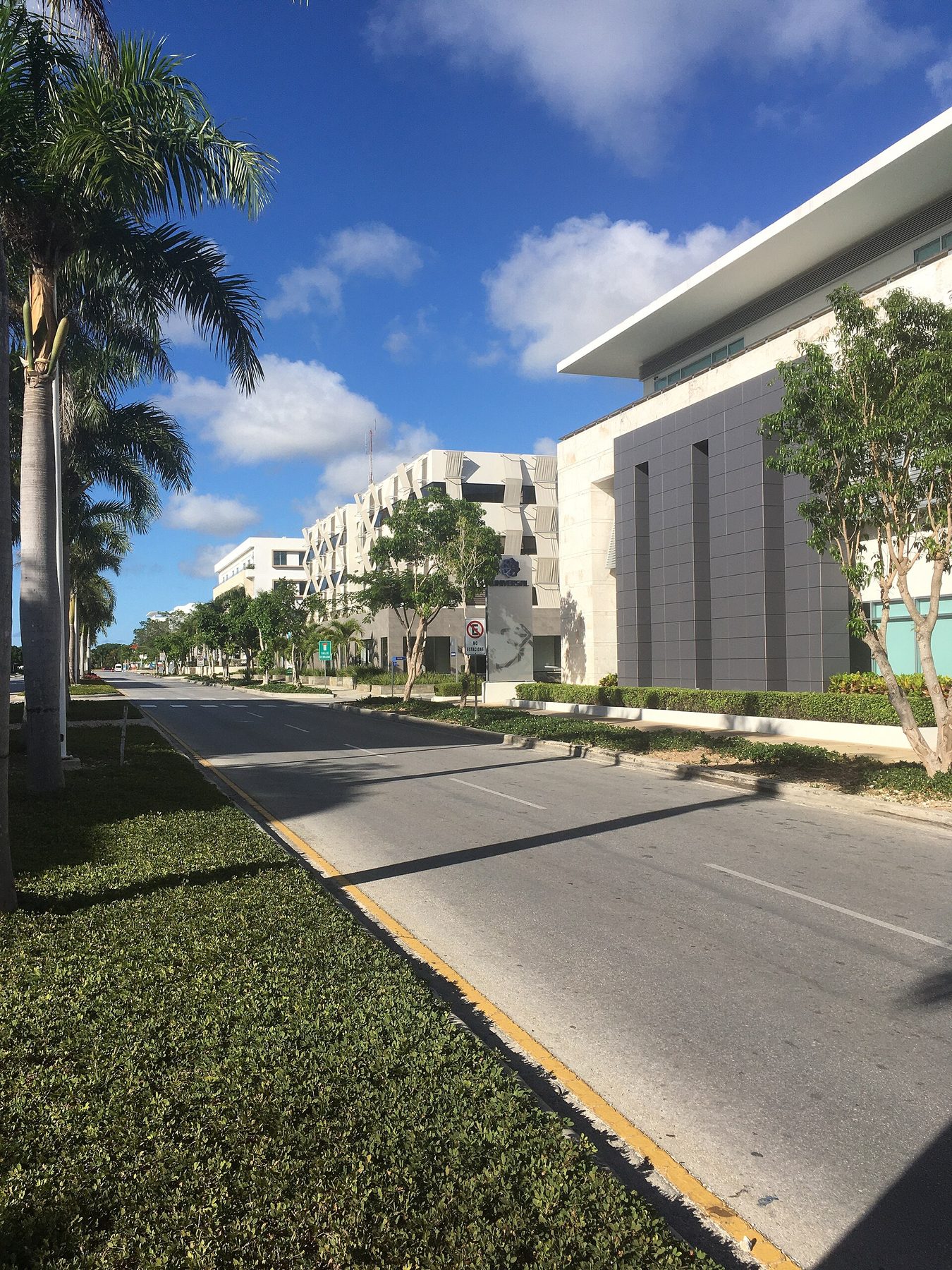
Where to Live in Punta Cana: A Neighborhood Guide for Expats
7 places
Airbnb and Short-Term Rentals in Punta Cana as an Investment: Rules, Tax and Real Numbers